

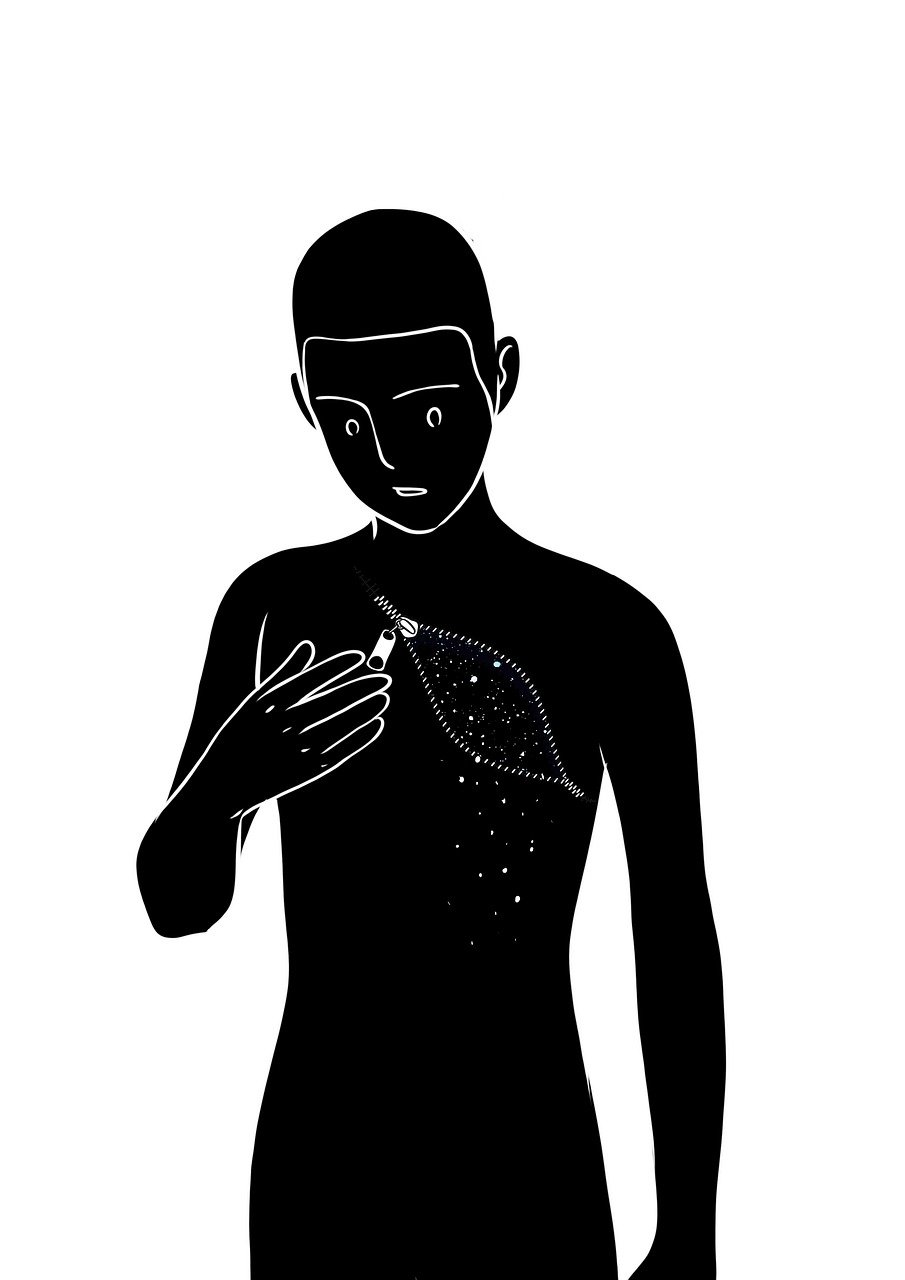
Just who does your character think they are? (This just might be
the key to defining tension in literary fiction.)
We tend to think of conflict as this big “blow up” scene, but that’s not necessarily it, is it? In character-driven fiction, conflict is what happens when the character can no longer struggle inside themself, making conflict an external manifestation of an internal state. And though it might indeed manifest monumentally as this big “blow up’” thing, it also might not.
Elizabeth Penfield’s Literary Visions (2007) regards the narrative element in the following way:
“Action leads to plot that confronts conflict. For the reader, the conflict creates doubt about whether the plot will succeed; doubt leads to tension and produces interest. Without plot and its crucial component conflict, we’d have no short story.”
As we already know, “story” is what happens, “plot” is why it happens. “Story” is what it all means, “plot” is how that meaning comes to be. And conflict is integral to plot, which means tension is an integral component of… story? Of the what rather than the why?
If conflict is external as it moves the plot forward, wouldn’t it follow then that tension is internal? That tension is something which moves the aspect of story along? And Literary Visions mentions tension taking place outside the text (the reader lives outside of the text). What of the tension living inside the work itself?
To progress in the dichotomy, if conflict is the result of action, then tension is the result of inaction. Or more accurately, conflict occurs when characters act outside of themselves; tension occurs when characters act within themselves.
The idiom “beside oneself” seems apropos here (and as it concerns the concept of conflict, I am particularly drawn to the phrase “beside oneself with anger”). When someone, say, a character, is beside themself, they find their own self in an unrecognizable state of being. They are unable to recognize their current self. Like having an out-of-body experience, they find that they’re acting out-of-character.
So, the question becomes: who does the character understand themselves to be? Knowing this enables us to also know what situations would potentially throw them out of body, what circumstances could arrive to shake them at their core, causing them to struggle inside themselves—that internal friction which is tension. How does the environment, the people populating that environment, the actions and events taking place in that locale either corroborate or invalidate the character’s baseline understanding of self? Do the mirrors (e.g. people) around your character accept or reject the face your character wears? And what does that do to the character on the inside? How does your character navigate, conciliate, that discrepancy? What story do they tell themself in attempting to maintain the continuity of their own personhood? And at what point does that invisible struggle become visible? And when the internal state implodes, explodes, boom: we’ve got action [that] leads to plot that confronts conflict.